
by Kyla Trkulja & Iciar Iturmendi Sabater
This Spring 2024 issue of the IMS Magazine is a celebration of how advances in surgery are flourishing at the IMS.
We shine a spotlight on the creative and innovative spirit of IMS faculty whose perseverent efforts are advancing surgical interventions, despite their invasiveness, high risk, and potential complications. An example of this determination is Dr. Victor Pereira’s work, dedicated to the development of cutting-edge robotic technologies to aid the surgical treatment of neurovascular conditions. We further discuss the history and implications of robotic surgeries as well as human enhancement in two different viewpoint articles.
We also showcase Dr. David Gomez’s work, motivated by his realization that barriers to surgical care were not only an issue in his native Colombia, but also in high income countries like Canada. His research is now devoted to examining who was most affected by the millions of procedures that were halted during the COVID-19 pandemic in Ontario, which is relevant to guide future action-plans. In two other viewpoints, our writers originally illustrate the barriers to surgical access through a case series, and consider the economic factors driving medical tourism, and its subsequent ethical consequences. In a continued examination of the existing barriers to access health services, the Diversity in Science piece discusses 2SLGBTQ+ Communities’ difficulties to obtain mental health care.
Advances in surgery also involve the development of new diagnostic tools to avoid invasive surgical interventions in favor of less harming procedures. We feature Dr. Gelareh Zadeh, first female chair of neurosurgery at the University of Toronto, whose team has found that blood and immune samples can be used to discriminate between intracranial tumors and glioblastomas, respectively, leading to the development of new and more effective brain tumor classification systems. The use of artificial intelligence and neural networks to classify tumors is also commented on in the viewpoints section.
The Spotlight on Dr. Pascal Tyrrel serves to emphasize that both academia and industry share equally important roles in promoting the innovative spirit that feeds surgical advances. He embodies this idea by leading the Health Care Innovation Challenge at the IMS. In fact, our graduate research does not happen in the void, but within the thriving IMS and broader UofT communities. The Spotlights on IMS students Ergi Duli and Carly Davenport also exemplify how students can get involved by leading IMS Scientific Day, becoming a mentor for new students, or carrying out meaningful environmental action. We are glad to include again in this issue a piece by the spoken voice of the IMS, RawTalk Podcast. Last but not least, a student shares her academic experience beyond the streets of Toronto attending the American Society of Nephrology’s Kidney Week in Philadelphia.
We thank all writers, copy-editors, and designers involved in the production of this issue, which we hope can water our readers’ innovative minds!
Kyla & Iciar
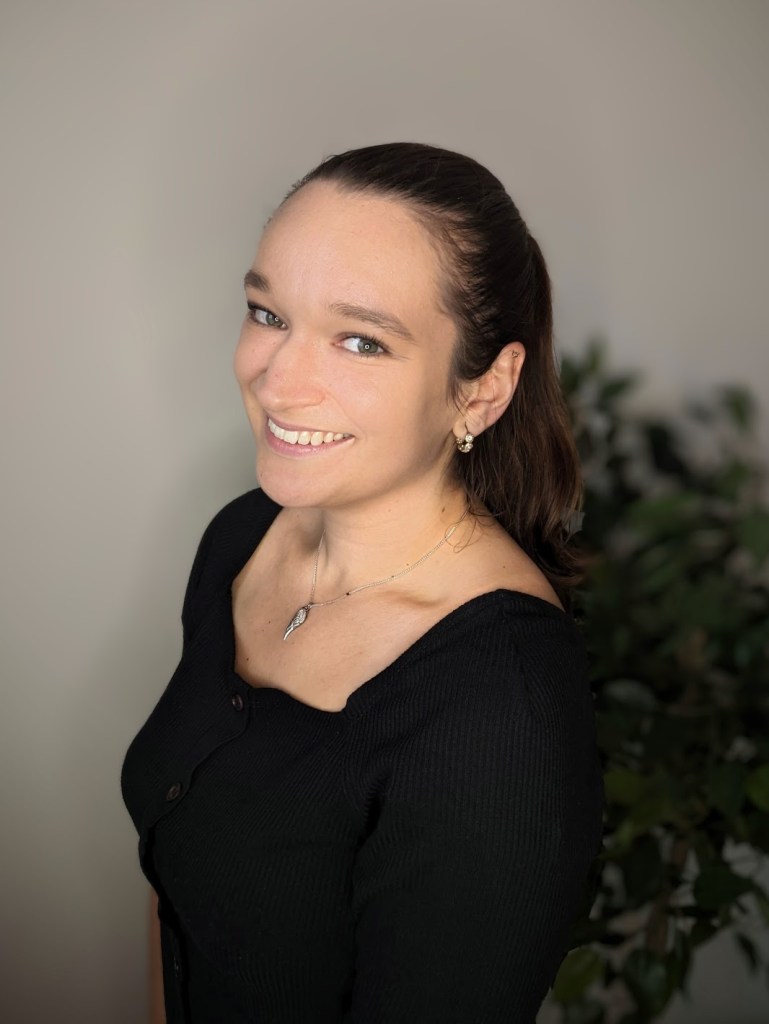
Kyla Trkulja
Kyla is a PhD student studying the mechanism of action of novel therapies for lymphoma under the supervision of Dr. Armand Keating, Dr. John Kuruvilla, and Dr. Rob Laister.
Twitter: @kylatrkulja_
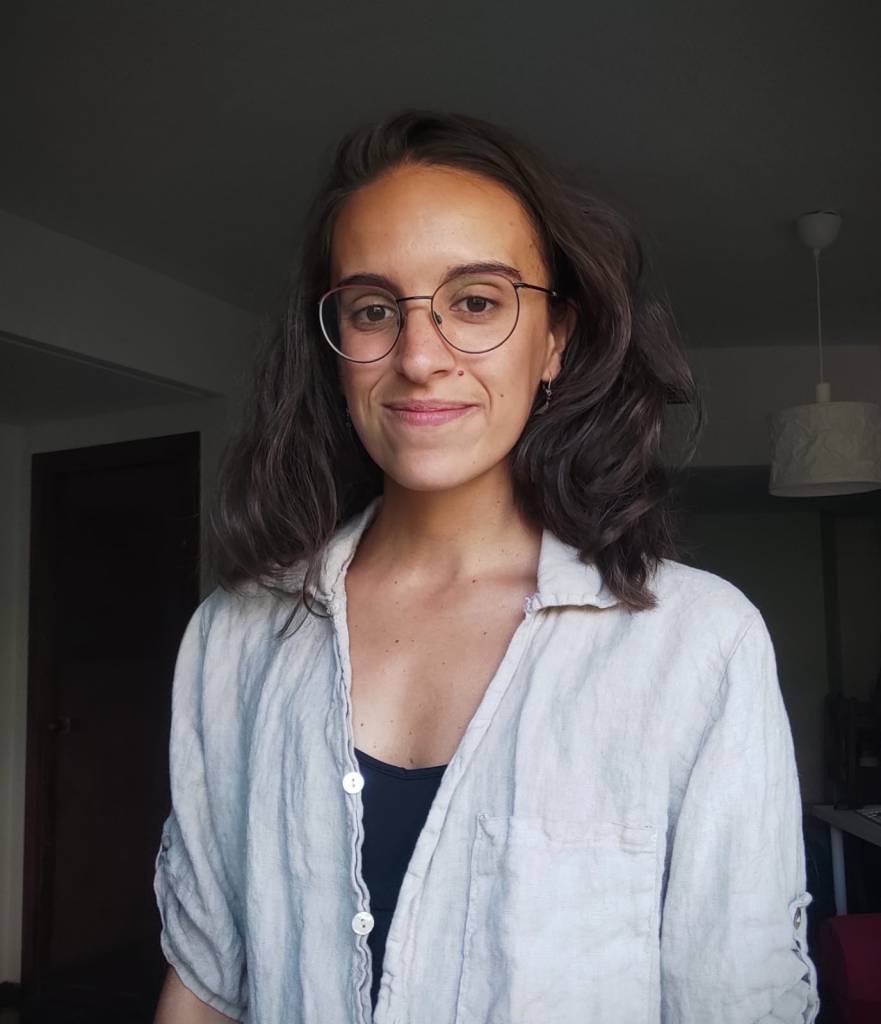
Iciar Iturmendi Sabater
Iciar is a PhD student under the supervision of Dr. Meng-Chuan Lai and Dr.Hsiang-Yuan Lin. She investigates social adaptive behaviors in children and adolescents with neurodevelopmental conditions such as autism, attention-deficit hyperactivity disorder, and obsessive-compulsive disorder.
Twitter: @iciar_itur
 IMS Magazine
You must be logged in to post a comment.