

by Lauren Levy & Kyla Trkulja
Graphic design by Anaiah Reyes
For many students at the Institute of Medical Science (IMS), the Spring season is a whirlwind of conferences, presentations, writing deadlines, and other academic and social activities. One such event that many of us are familiar with is the annual IMS Scientific Day. This day, similar to a conference curated for a tight-knit community, is jam-packed with educational and networking activities for students to share their research, practice their presentation skills, learn about relevant medical advancements through keynote speakers and panel discussions, and celebrate student and faculty achievements. It’s no wonder that IMS Scientific Day is termed the academic highlight of the year, as it is a multifaceted event that brings together students, faculty, and alumni across the IMS community.
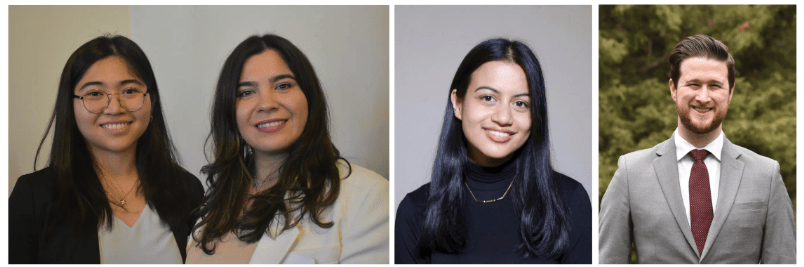
Photo credits: Slaghaniya Neupane, Lauren Levy.
Understandably, I jumped at the chance to interview past and present Scientific Day Student Co-Leads on behalf of the IMS Magazine to get their perspectives on what student involvement in Scientific Day looked like. Through Jesse Joynt, a previous student lead, I learned about the unprecedented IMS Scientific Day of 2021, in which students met online via the virtual conference platform Gathertown.io. This year’s leads, Kowsar Teymouri, Crizza Ching, and Slaghaniya Neupane, walked me through the experience of coordinating the numerous talks and guest speakers that make the in-person event as informative and stimulating as possible.
The past and current leads have undoubtedly had different experiences with the logistics of Scientific Day and what this meant for their involvement. Whereas the in-person leads coordinated the panel discussion, volunteers to assist with navigation around the venue and the smooth-running of poster presentations, and networking events, Jesse was responsible for the organization of the virtual conference platform and troubleshooting technological challenges when they arose.
“We even had a room in our conference hall dedicated to tech issues,” he explained. “And we had a backend chat where a bunch of us were messaging when problems would occur, we had people circulating, constantly asking [if there were any problems]…it was cool, it was like a real conference, [because] even conferences in real life have hitches and problems.”
Jesse emphasized that during the COVID-19 pandemic, they had to make the most out of what they had, so despite their best efforts, some things still weren’t the same. Virtual platforms may be able to recreate the educational aspects of the conference experience, but the interpersonal aspect was still missing. There was a feeling of missing out on the in-person celebrations of awards, reception, and after-party, but given the circumstances, Jesse is still very proud of what the team accomplished in a very challenging time: “I’ve never seen anything like it, to see it be a success on our first try…I was very proud of our whole department for that one.”
On the other hand, student involvement for the in-person event typically involves managing student volunteers to assist the day of the event, as well as coordinating special speakers such as those for the panel discussion–and even monitoring the panel event itself. As a result, the challenges the current Student Leads experience are more centered around the in-person logistics, such as getting enough volunteers to assist with the event and ensuring everyone is in the right place at the right time. Kowsar emphasized how planning this event really is a team effort, with everyone on the organizing committee helping in different ways. This includes the Student Co-Leads, faculty leads Dr. Brian Ballios and Dr. Nadia Minian, staff leads Sarah Topa and Sobiga Vyravanathan, and IMS Director Dr. Mingyao Liu. The different skills and connections each have allowed them to use their strengths to create an inspiring in-person event that blends the academic and social worlds of IMS.
All of the Student Leads expressed great fulfillment with Scientific Day and felt like their contributions made an impact on the student experience, especially when it came to the interpersonal events during the day. Slaghaniya highlighted all the engaging events that students within and beyond the day’s organizing committee help organize, such as Real Conversations, networking discussions, and icebreaker games, that help contribute to a sense of community. Integrating these activities into the academic conference is a fantastic starting point for meeting new people and seeing how you can get involved within the IMS community, making these activities especially meaningful to students. As a result of the feedback and ideas from students, Scientific Day now goes beyond just research. Kowsar emphasized that students will attend Scientific Day regardless of whether or not they are presenting, as they can go to support their peers, see their friends, and catch up with those they don’t get to see on a day-to-day basis. Jesse echoed the same thoughts, even tying the interpersonal aspects of the day into the poster competition. “One of the coolest things for me is getting to see what my friends have been actually working on, every single day…and explain it in detail,” he said. “[And I get to] ask them questions and be impressed by their drive and their work.”
Being involved in the organization of Scientific Day was reflected upon as an enriching experience, both for the connections that the Student Leads were able to make among those around them, and for the skill development opportunities getting involved brought along. Jesse and Crizza shared how their involvement made them more comfortable with time management and engaging with students and faculty, whereas Slaghaniya and Kowsar resonated with the opportunities to meet new people and make meaningful relationships with those in the community. Ultimately, all of them emphasized the importance of getting involved for their personal and interpersonal benefits, as taking on a bigger role allows you to learn, grow, and improve the world around you.
These opportunities for student involvement are abundant here at IMS, and it was awe-inspiring to hear about how getting involved in the planning of Scientific Day allowed for both improvements to the event and the professional development of the Student Leads. For those thinking of getting involved, keep an eye out for the IMS Weekly Digest next Fall–the fulfillment in taking part in this annual highlight is a rewarding one!
 IMS Magazine
You must be logged in to post a comment.