

by Kyla Trkulja
Graphic design by Andrew Janeczek
Managing the stressful challenges of graduate school, including research, writing, and coursework, combined with thinking about future plans and maintaining a work-life balance can be a daunting task. Many students often feel isolated and stressed, not to mention the constantly-talked-about-but-never-properly-acknowledged imposter syndrome. One could only imagine the even greater negative impacts of the COVID-19 pandemic–which is what inspired a group of IMS students to take action.
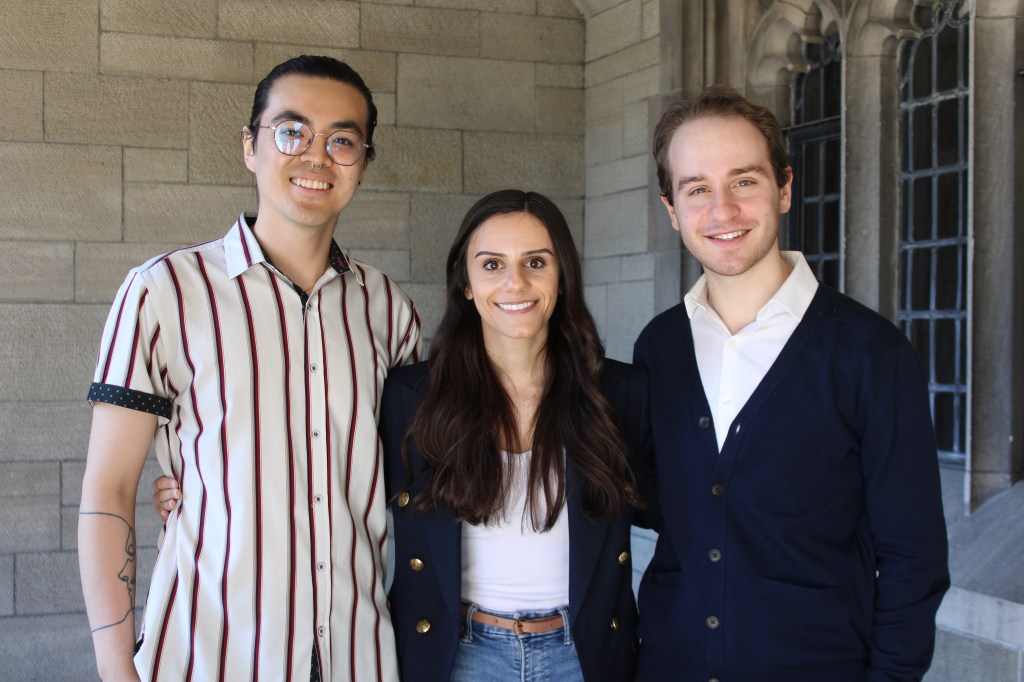
Photo credit: Niki Akbarian
When the pandemic first hit in 2020, Sandy Lee, Laura Best, Rachel Dadouch, and Swapna Mylabathula came together to obtain a wellness-related grant from the Graduate and Life Sciences Education team. “We wanted to start an initiative that supported graduate student wellness, where we wanted to make students feel comfortable to start a dialogue about their mental health and well-being during their graduate school programs,” Sandy explained. The goal of their initiative was to have real conversations surrounding wellness and create resources for students, such as information packages and wellness trackers. This would allow students to “find a unique place to not only talk about [wellness], but also find the resources that they need to get help and get support throughout their graduate programs.”
This was the beginning of Let’s Talk Grad Wellness (LTGW), the first ever wellness-oriented student group for IMS. Their four pillars include education, integration, facilitation, and participation, which they implement by providing resources such as Mental Health & Wellness Resource Guides and Wellness Trackers, hosting Real Conversations events at IMS events such as Scientific Day, and their new student-supervisor documents that aim to increase transparency. These documents, consisting of the Individual Development Plan (IDP) and ELEFANT Agreement are the most recent accomplishments of LTGW, and arguably the most impactful.
The IDP facilitates conversations between students and their supervisors on the students’ professional and career goals. Through these discussions, the pair can decide which skills would be best for the student to focus on during their degree and make detailed plans for how to achieve these goals through mentorship, research, and extracurricular activities. First piloted with IMS students in January 2023, the IDP is designed to be a working document made at the start of the students’ degree and reviewed every meeting with their advisory committees. The goal is for students to get the most out of their degrees so they can enter the next steps of their careers with the best possible training.
The ELEFANT Agreement, on the other hand, is designed to ensure student wellness during their time at IMS. The acronym stands for the seven components that students and supervisors should discuss at the start of the students’ degree–Environment, Limits, Employment, Funding, Academics, Non-academics, and Thesis. The agreement was developed because most of the time, at the beginning of the students’ graduate degree, “students have no idea what they’re getting themselves into, they have no idea what the expectations are coming from the supervisors,” Sandy explained. “And so we [wanted to] set these kinds of goals for both students and supervisors to achieve throughout their graduate degree and make sure that all of these tough conversations happen right at the beginning, so there’s no surprises.” The agreement covers all aspects of the students’ and supervisors’ collective expectations during their degree, such as whether the student will have a set desk, if they have set hours they need to be in the lab, what protocols are for time-off, and how much time they can put towards other activities such as extracurricular involvement. By increasing transparency, students will have peace of mind knowing they are doing what is expected of them, preventing anxiety over uncertainty or difficult conversations in the future. ELEFANT was first piloted this year in January 2024, and similar to funding agreements, will be reviewed and discussed between the student and supervisor annually.

Photo provided by LTGW

Photo provided by LTGW

Photo provided by LTGW
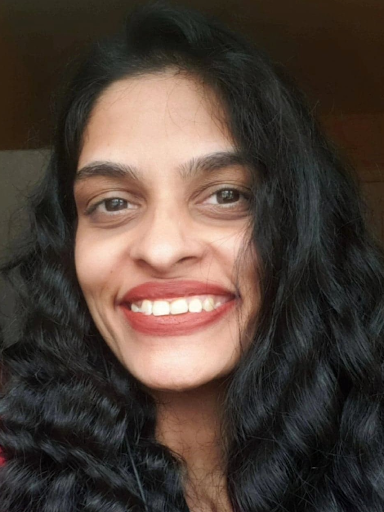
Photo provided by LTGW
The original LTGW team created the proposals for these documents, but members slowly began to graduate and move onto the next chapter of their lives. It has been the new LTGW team–Earvin Tio, Vanessa De Gregorio, and Ben Traubici–that carried the torch to implement these changes. “I was very impressed with how [student feedback] was always brought back to the departments,” Earvin highlighted during our conversation. “And [IMS] acts on it. So it seemed like really tangible changes were happening.”
The impact that these changes have had on the entire IMS student body makes LTGW a small but powerful team. “I think it’s one thing to be part of a group,” Vanessa says. “But being able to see a public policy implementation is huge.”
Sandy shares the same feelings of pride for the widescale accomplishments of the group, adding that “the best thing was that we were able to find light in a time of an extreme darkness.” Starting this group during the pandemic gave the founders a reason to touch base during a period of isolation, allowing them to find the light amongst each other and spread that light to other students. “The thought of that on its own is so fulfilling, especially since it has successfully continued on.”
Both the old and new team members reflected on how involvement with student groups such as LTGW led to lasting friendships and improvements to personal wellness as a result of finding support in one another. “Being part of LTGW has been an amazing opportunity to not only learn about ways to improve my own wellness and how I deal with stress, but hopefully to also give other students the resources to improve their own wellbeing,” Ben highlighted. All LTGW members encourage every graduate student to join an initiative and find their community–and not to let what-ifs or apprehension get in the way. The interpersonal, professional, and potentially community-wide accomplishments one can achieve through involvement make the graduate school experience that much better. With that in mind… LTGW is looking for new members! Email letstalkgradwellness@gmail.com to find out about how you can get involved. You never know what’s possible for you to accomplish!
 IMS Magazine
You must be logged in to post a comment.