
by Karan Patel
Graphic design by Emily Huang
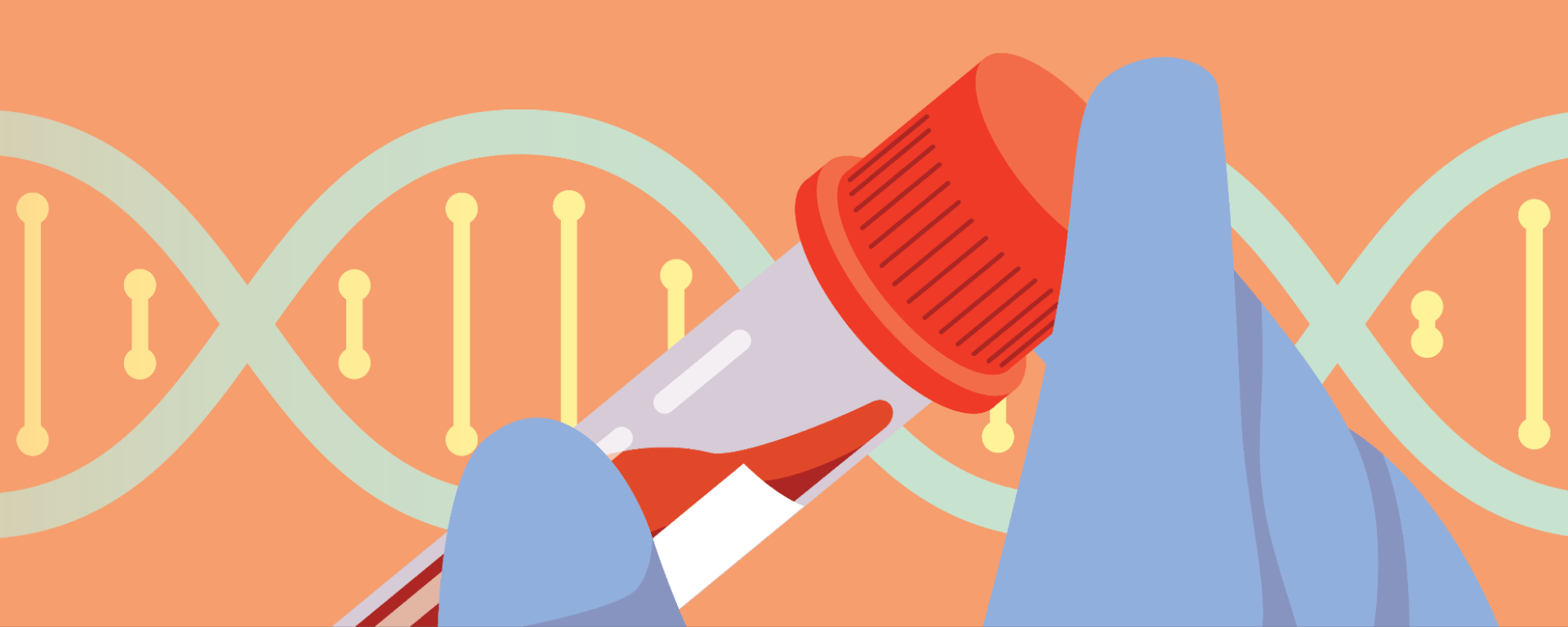
Cancer patients treated with chemotherapies are at an elevated risk of developing cancer therapy-related cardiovascular toxicity (CTR-CVT) and long-term cardiovascular disease.1 The imminent need to treat the cancer often takes priority over the risk of developing cardiovascular-related side effects. The predisposing factors involved in developing cardiac complications are poorly understood and the ability to identify which patients are at risk has been challenging. The current approach has been to treat the cardiovascular disease with established cardiac medications as symptoms arise; however, this approach fails to proactively mitigate risk.
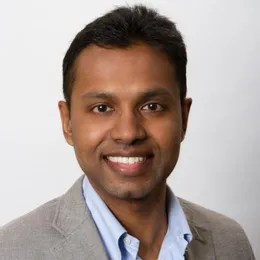
Photo provided by Dr. Thavendiranathan
Dr. Paaladinesh Thavendiranathan is a cardiologist and senior scientist at the Toronto General Hospital (TGH), a professor of medicine at the Institute of Medical Science (IMS), the Director of the Ted Rogers Program in Cardiotoxicity Prevention, and the Canada Research Chair in Cardio-Oncology. His laboratory group investigates the use of cardiac imaging and biomarkers circulating in the blood for the detection of cardiac toxicity. The team creates risk prediction models to determine the likelihood of a cancer patient developing cardiac complications in the future.
Dr. Thavendiranathan completed his medical school education and cardiology residency at the University of Toronto, followed by fellowships at the Ohio State University Medical Center (Columbus, Ohio) and the Cleveland Clinic (Cleveland, Ohio). During his fellowship, he learned about the field of cardio-oncology. At that time, as Dr. Thavendiranathan explains, the field was interested in “early markers of heart injury and imaging markers [to] identify patients at risk of heart failure.” Given his prior training in advanced cardiac imaging methods, “it was a perfect fit” for Dr. Thavendiranathan to pursue this niche area of medicine. Thereafter, he returned to the University Health Network (UHN) in Toronto for an attending position at a time when “nobody was actively practicing full time in [cardio-oncology].” He was intrigued by the opportunity to lead the UHN’s cardio-oncology program, which serves patients from the largest cancer centres in the nation, for both adults (Princess Margaret Cancer Centre (PMCC)) and children (the Hospital for Sick Children (SickKids).
Today, Dr. Thavendiranathan leads a large research team including other physicians, clinical fellows, research coordinators, sonographers, and kinesiologists. Together, their goal is to “reduce the burden of cardiovascular disease in cancer survivors.” Over the years, his laboratory group has widely focused on epidemiology, retrospective and perspective trials, randomized control trials, and collaborations with other labs for basic science investigations.
Notably, their group has investigated the long-term incidence of cardiac failure in women treated for breast cancer, and the use of cardiac MRI-mediated tissue characterization for detection of early cardiac injury. Moreover, his team is working on artificial intelligence-based risk prediction algorithm that will incorporate cardiac imaging data, circulating biomarkers, and other relevant metrics to predict future risk of heart failure. Dr. Thavendiranathan expects a global footprint for this algorithm; however, he is aware that the comprehensive input parameters may not be accessible for all hospital systems, elaborating that they plan to “create a parsimonious model that can be more universally usable around the world” in developing nations.
Further to their clinical research investigations, Dr. Thavendiranathan has established collaborations with several basic science laboratories at the University of Toronto, including that of Dr. Jason Fish, Dr. Phyllis Billia, and Dr. Slava Epelman. His group understands the need for collaboration to accelerate their research interests. Their recent collaboration with Dr. Fish’s lab led to the identification of six novel biomarkers of future cardiac failure in cancer patients as they undergo therapy. The patents for this work are pending as they prepare to translate the findings to clinical use. Dr. Thavendiranathan believes that this is just the beginning of the discovery phase, noting that they have “banked [patient] blood in the PMCC biobank” over the “past eight to nine years.” They anticipate that there will be distinct biomarkers of heart failure for different cancers, emphasizing the need for continued investigatory research. Moreover, they anticipate these insights to drive future therapeutic development for cardio-protection.
Cancer therapies are moving towards targeted delivery methods including chimeric antigen receptor (CAR) T-cells and lipid nanoparticle delivery systems. Despite the dream of targeted therapies that minimize cardiovascular toxicity, Dr. Thavendiranathan feels that “we are still far away.” Furthermore, in cases of some malignancies and particular primary cancers including melanoma, targeted delivery is not always possible. Therefore, there will be an ongoing need for cardiovascular risk assessment and cardiac surveillance in patients with cancers being treated systemically with certain potentially cardiotoxic therapies.
Patients being treated for cancer should be “active,” “aware,” and “[motivated],” says Dr. Thavendiranathan, adding that patients often get demotivated throughout their cancer journey, are not engaged in physical activity resulting in a tendency to lose muscle mass—a long term risk factor for cardiovascular disease. He advises patients to engage in exercise, maintain a healthy diet, engage in “whatever helps [their] mind relax”, including yoga, and to read and participate in cancer learning sessions. He emphasizes the need for patients to be aware of the risk for future cardiac events; however, he cautions that patients should focus foremost on dealing with the current problem—the cancer—before worrying about the future risk for cardiac events.
Dr. Thavendiranathan encourages students interested in the field of cardio-oncology to “think where you can succeed” when entering a new field, and to find the right mentors. He feels that the field of “cardiology naturally leads itself to research,” and that “those who push the field forward are researchers.” He enjoys splitting his roles as a clinician and scientist and cherishes his interactions with patients, many of whom have agreed to blood draws which have been banked for potential future research—an ideal opportunity for bedside-to-bench discovery. The field of cardio-oncology is nascent and relatively unexplored. Dr. Thavendiranathan is optimistic for a future where cardiac complications in cancer survivors can be accurately predicted and minimized proactively. Despite the primary focus for cancer patients being the cancer treatment, he advises patients to understand the risk of long-term cardiac complications and engage in lifestyle decisions that can minimize their risks. In the meantime, his team continues to work relentlessly to investigate protocols to not only minimize future risk, but to prevent CTR-CVT altogether.
References
- Sławiński G, Hawryszko M, Liżewska-Springer A, et al. Global Longitudinal Strain in Cardio-Oncology: A Review. Cancers (Basel). 2023 Feb 3;15(3):986.
- Salloum FN, Tocchetti CG, Ameri P, et al. Priorities in Cardio-Oncology Basic and Translational Science. JACC CardioOncol. 2023 Sep 27;5(6):715–31.
 IMS Magazine
You must be logged in to post a comment.