
By Sreemoyee Ghosh
Graphic design by Jeah Kim
Psoriatic arthritis (PsA), an inflammatory rheumatic disease (IRD), is a progressive immune-mediated inflammatory form of arthritis involving multiple inflammatory musculoskeletal features in the joints, entheses, or the spine. PsA also includes extra-articular features like skin and nail lesions, uveitis, and inflammatory bowel disease. PsA is relatively uncommon in the general population, affecting males and females equally, with a global prevalence of 112 per 100 000 adults.1 PsA pathophysiology is thought to be the result of a complex interplay of genetic, environmental, and immunological factors. Given the clinical heterogeneity of PsA and the non-specific nature of the symptoms, early diagnosis is quite challenging for clinicians, making it an urgent unmet need. Moreover, PsA patients are at an increased risk of developing cardiovascular diseases (CVDs) compared to the general population, which severely impacts lifespan and quality of life.2

Photo credit: Dr. Eder
Dr. Lihi Eder, a Canadian trailblazer in the field of rheumatology research, is determined to overcome these challenges in PsA research. She is a clinician-scientist at Woman’s College Hospital, where she works as a rheumatologist and is the Director of the PsA research program. Dr. Eder established this program in 2016 following the completion of her PhD at the Institute of Medical Science and postdoctoral fellowship with Dr. Dafna Gladman at the Krembil Research Institute. Her PhD research focused on the genetic and clinical epidemiology of PsA, and her postdoctoral studies aimed at understanding the effect of joint inflammation on atherosclerosis development in PsA patients using carotid ultrasound imaging. Through collaboration with Mount Sinai Hospital, Dr. Eder also established the first cardio-rheumatology program in Canada, serving as the co-director.
This program at University of Toronto led by Dr Eder and her colleagues involves 700 patients with rheumatic diseases who were referred to have their cardiovascular risk being evaluated and recruited for cardio-rheumatology research. This number is quite significant, given the rarity of IRDs. She explains that “patients with IRDs tend to be undiagnosed and untreated for high blood pressure, abnormal cholesterol and diabetes that predispose them to developing heart diseases. Our cardio-rheumatology program is a preventative program that aims to identify IRD patients with a high risk of developing CVDs and treat them early to prevent heart attacks and strokes.”
When asked about some of her group’s most recent research in this domain, she expressed her excitement about the importance of coronary CT scans, stating that, “coronary CT can identify calcification in coronary arteries. Preliminary results show us that it can be a very useful tool for identifying patients with high risk of heart diseases, compared to regular tools like blood tests and physical examinations.” She goes on to further explain the potential of carotid ultrasound in improving the precision of CVD risk stratification in PsA patients, which was demonstrated by one of her prominent studies in collaboration with Toronto Western Hospital in 2019.3 Dr. Eder explains, “PsA patients with severe inflammation in the joints and skin were more likely to develop arrhythmias and heart attacks, suggesting that controlling inflammation might not only be important in treating PsA but also preventing CVDs.”4 With the field of cardio-rheumatology rapidly evolving, she mentions that the future directions of this project are to investigate the effect of anti-inflammatory drugs on CVD risk in PsA patients. Therefore, combining ultrasound imaging and anti-inflammatory drugs can effectively diagnose, treat, and manage symptoms in PsA patients with high risk of CVDs.
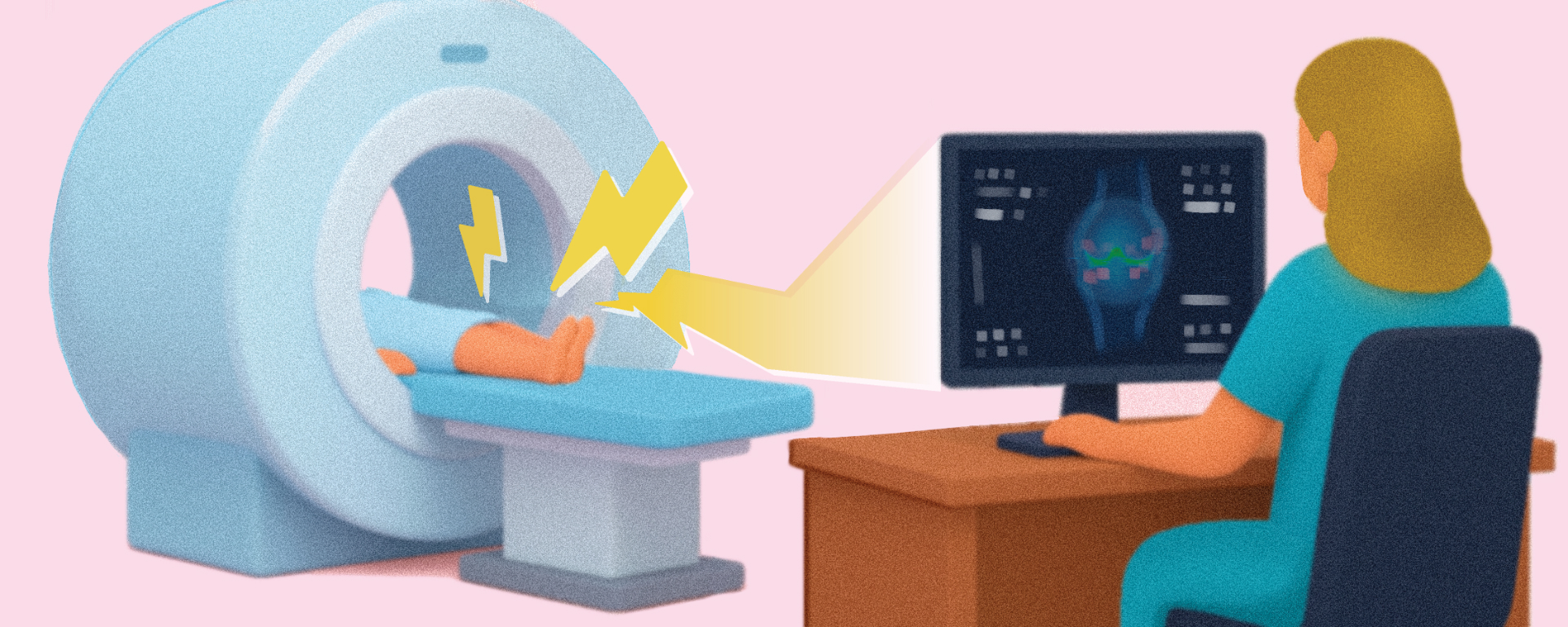
One of the other fundamental questions that Dr. Eder’s research involving ultrasound imaging strives to address is which patients with Psoriasis (PsO)—a chronic immune-mediated inflammatory skin disease—have a high risk of progressing to PsA. Unfortunately, there are no validated biomarkers for identifying PsA in PsO patients. Dr. Eder explains that “early detection of PsA in PsO patients through physical examination of swelling and stiffness in joints is challenging, as in early PsA, inflammation may not be distinct.” To improve screening of PsA in PsO patients, and distinguish it from other IRDs, she aims to develop an ultrasound score that will detect the amount of inflammation in joints and tendons. Traditional imaging tools like X-rays identify well-established changes in PsA, such as bone destruction and erosion, but play a limited role in detecting inflammation in early PsA patients. Emerging to address this issue, there is preliminary evidence suggesting that ultrasound may improve early detection of inflammation in PsA,5 and, Dr. Eder further expresses that, “ultrasound is relatively fast, cheap, safe, and involves the assessment of multiple joints at the same time.” Thus, ultrasound may be a promising early diagnostic tool for PsA to resolve the issue of diagnostic delays in PsA that cause irreversible joint damage.
Additionally, being a Tier 2 Canada Research Chair in IRDs, Dr. Eder and her team have strived to leave no stone unturned in promoting equitable care in PsA: her team has diversified a portion of their research by studying the role that sex and gender play in determining the outcomes for people with PsA. Her research has demonstrated that male patients with PsA are more likely to develop radiographic joint damage than female patients, while females are more likely than men to report limitation in function and impaired quality of life.6 Furthermore, there are sex-specific differences in treatment responses, which may be explained by differences in dysregulation of inflammatory pathways between the two sexes. Dr. Eder emphasizes the importance of this research, in which her lab is now playing a role and building from: one day, the goal is to improve sex-specific treatment recommendations with the design of new clinical trials and the identification of novel inflammatory targets.
Dr. Eder and her colleagues are truly looking forward to revolutionizing diagnosis, treatment, and management of PsA. She is optimistic that the findings from her research program using ultrasound imaging will encourage an increasing number of rheumatologists to practice implementing ultrasound in the clinic. Dr. Eder underscores the significance of her lab’s research studying cardiovascular comorbidities in PsA patients and the sex-specific effects on PsA outcomes, explaining their importance in providing deeper insights into the immunological and inflammatory mechanisms driving PsA. Looking towards the horizon, she envisions a promising future for IRDs, where clinical and demographic information like imaging results, sex, gender, and age can act as better tools for personalizing treatments and improved care for IRD patients.
References
1. Lembke S, Macfarlane GJ, Jones GT. The worldwide prevalence of psoriatic arthritis-a systematic review and meta-analysis. Rheumatology (Oxford). 2024;63(12):3211-20.
2. Karmacharya P, Ogdie A, Eder L. Psoriatic arthritis and the association with cardiometabolic disease: a narrative review. Ther Adv Musculoskelet Dis. 2021;13:1759720×21998279.
3. Sobchak C, Akhtari S, Harvey P, Gladman D, Chandran V, Cook R, et al. Value of Carotid Ultrasound in Cardiovascular Risk Stratification in Patients With Psoriatic Disease. Arthritis Rheumatol. 2019;71(10):1651-9.
4. Garshick MS, Ward NL, Krueger JG, Berger JS. Cardiovascular Risk in Patients With Psoriasis: JACC Review Topic of the Week. J Am Coll Cardiol. 2021;77(13):1670-80.
5. Østergaard M, Eder L, Christiansen SN, Kaeley GS. Imaging in the diagnosis and management of peripheral psoriatic arthritis-The clinical utility of magnetic resonance imaging and ultrasonography. Best Pract Res Clin Rheumatol. 2016;30(4):624-37.
6. Eder L, Thavaneswaran A, Chandran V, Gladman DD. Gender difference in disease expression, radiographic damage and disability among patients with psoriatic arthritis. Ann Rheum Dis. 2013;72(4):578-82.
 IMS Magazine
You must be logged in to post a comment.