

By Lielle Ronen
Graphic design by Raymond Zhang
Prior to the pandemic, people with opioid use disorder (OUD) were 33% less likely to receive palliative care in their final three months of life, with the gap widening to 45% during the COVID-19 period. Prescription opioids are essential in managing symptoms, such as pain and shortness of breath, in palliative care. Clinical guidelines emphasize the use of opioid therapy to relieve suffering experienced by patients with life-threatening illnesses. Despite the central role of opioids in providing relief during palliative care, many people who use(d) drugs face inequitable access to palliative care due to stigma from healthcare providers, restrictive prescribing practices, social inequities, and past negative experiences when accessing the healthcare system. These gaps raise significant questions, such as how healthcare systems can ensure that marginalized populations receive equitable, compassionate, and high-quality care up until the very end of life.
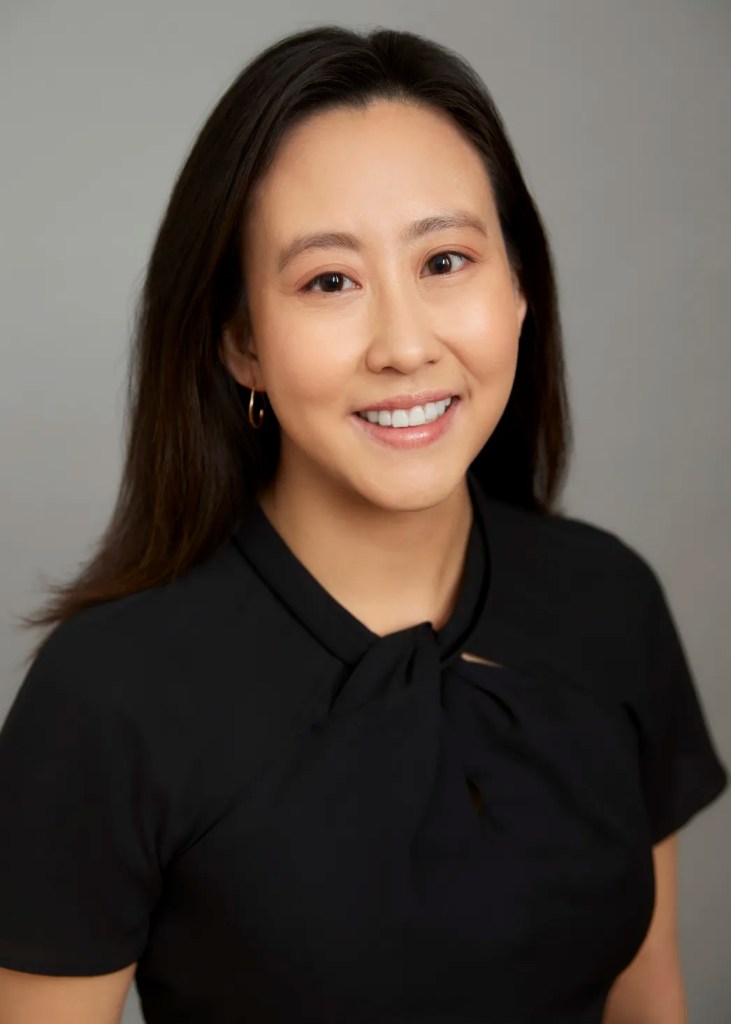
Clinician-Investigator, Princess Margaret Research Institute; Clinician-Investigator, Division of Palliative Care, Department of Family and Community Medicine, University of Toronto
Photo credit: Dr. Lau
Dr. Jenny Lau, a palliative care physician, clinician-investigator, and medical director of the Harold and Shirley Lederman Palliative Care Centre at Princess Margaret Cancer Centre, focuses on developing strategies to deliver palliative care to marginalized populations. Dr. Lau completed her residency in family medicine at the University of Ottawa, followed by palliative care training at the University of Alberta. She then joined the University Health Network as a palliative care physician and scientist. After witnessing the many challenges people who use(d) drugs encounter in the healthcare system, she pursued a Master of Science with a Collaborative Specialization in Addiction Studies through the Institute of Medical Science at the University of Toronto. Since that time, Dr. Lau and her research coordinator, Rebecca Bagnarol, have established a research program focused on addressing OUD in the context of life-threatening illnesses.
Dr. Lau’s research inspiration is rooted in her clinical practice, where she has observed inequitable access to palliative care for patients with a history of drug use. People who use(d) drugs are often denied access to opioids during end-of-life care due to healthcare provider fears of relapse and non-medical opioid use,4 and these barriers are compounded by additional challenges, including complex medical histories and social inequities like poverty and homelessness. She explains, “One of the goals [of her research] is to try to get a more comprehensive understanding of the needs of this patient population and to identify the gaps that they face.” To do so, Dr. Lau partnered with Dr. Sarina Isenberg at Ottawa’s Bruyere Research Institute to use the Institute for Clinical Evaluative Sciences (ICES) provincial database to assess palliative care delivery for people with OUD, while also interviewing patients with life-limiting illnesses and OUD, their caregivers, and health care providers to better understand their palliative care experiences. Her most recent study found that people with OUD are receiving significantly less palliative care in the last 90 days of life compared to those without OUD, especially in clinics and homes.1 The results of the study highlight the need for innovative solutions to improve palliative care for this patient population. Dr. Lau hopes to establish more tailored models of care to address medical and social needs, as well as to implement clearer guidance for clinicians to safely prescribe opioids to individuals with OUD receiving palliative care.
Dr. Lau utilizes her expertise in various clinical settings within the Princess Margaret Cancer Centre, including the outpatient palliative care clinic, inpatient palliative consultation service, and the tertiary palliative care unit. She provides care to a wide range of patients with advanced cancer, from those still in treatment to those at the end of their lives. Inspired by her interactions with patients, Dr. Lau views research as an advocacy tool. She explains, “Through my clinical practice, I identify problems that typical clinical care can’t fix, and these problems are usually systemic problems related to the delivery of healthcare.” She noted that change is underway, and adds, “Through my research, I have an opportunity to try to make a meaningful difference, to try to make a change to the care that I provide to my patients and to advocate for system-level changes.” In practice, this means amending policies and guidelines that exclude people who use(d) drugs, collaborating with community organizations to make palliative care more accessible, shaping clinical care to improve opioid prescribing practices, and ensuring patients with life-limiting illnesses receive adequate symptom relief. She has found that patients with OUD are more likely to access palliative care in an acute care setting.1 Care providers in acute settings can better assist with the identification and management of structural vulnerability and OUD. Moving forward, Dr. Lau hopes to build on her previous projects that have identified gaps in patient care, equipping acute care providers with the tools and resources to improve the delivery of palliative care for this patient population.
Additionally, Dr. Lau is examining equity in cancer care for people with a history of drug use. These patients frequently experience poverty, homelessness, and mental health challenges, making it difficult to navigate a system that assumes stable housing and social supports. Dr. Lau is collaborating with Dr. Melanie Powis, scientific director for the Cancer Quality Lab at Princess Margaret Cancer Centre, to identify the structural barriers to equitable cancer care access for these individuals and develop potential solutions on how to overcome them. To do so, she is engaging with people with lived experiences of cancer and drug use, as well as key individuals and organizations. For example, Drs. Lau and Powis are collaborating with the Toronto Harm Reduction Alliance to conduct their project and to engage people who use(d) drugs to improve cancer care for them. Meaningful community engagement is a pillar of Dr. Lau’s work. She highlights, “It all boils down to working with the community, listening to the community and meeting them where they’re at.” In more ways than one, Dr. Lau works with vulnerable populations and centers her work around the voices of those with lived experience.
Dr. Lau specializes in breaking systemic barriers for these underserved populations receiving palliative care, but we all serve a role in achieving these goals and decreasing the stigma associated with OUD. Dr. Lau emphasizes the importance of interacting with the population she intends to serve, stating that, “The easiest thing that you can do is to treat these people like humans, with respect and dignity.” She highlights the power of language to help people who use(d) drugs feel more welcome when receiving health care. The use of non-stigmatizing language to describe drug use and substance use disorders is a simple strategy that all healthcare professionals can adopt. Through her work, Dr. Lau challenges the notions associated with conventional stereotypes of people who use(d) drugs and encourages people to exercise compassion, curiosity, and a desire to understand an individual’s circumstances. Dr. Lau strives to create a more welcoming and compassionate healthcare system for marginalized populations, moving beyond judgment and towards equitable palliative care.
References:
1. Lau J, Scott MM, Everett K, et al. Association between opioid use disorder and palliative care: a cohort study using linked health administrative data in Ontario, Canada. CMAJ Canadian Medical Association journal. 2024 Apr 28;196(16):E547–57.
2. Cleary J. Essential medicines in palliative care. Palliat Med. 2014;28(4):291-2. doi:10.1177/0269216314527036
3. World Health Organization. Cancer pain relief. 1986 Available from: https://apps.who.int/iris/handle/10665/43944
4. Witham G, Yarwood G, Wright S, et al. An ethical exploration of the narratives surrounding substance use and pain management at the end of Life: A Discussion Paper. Nursing Ethics. 2019 Sept 16;27(5):1344–54. doi:10.1177/0969733019871685
 IMS Magazine
You must be logged in to post a comment.