
By Anita Rajkumar
Graphic design by Vicky Lin
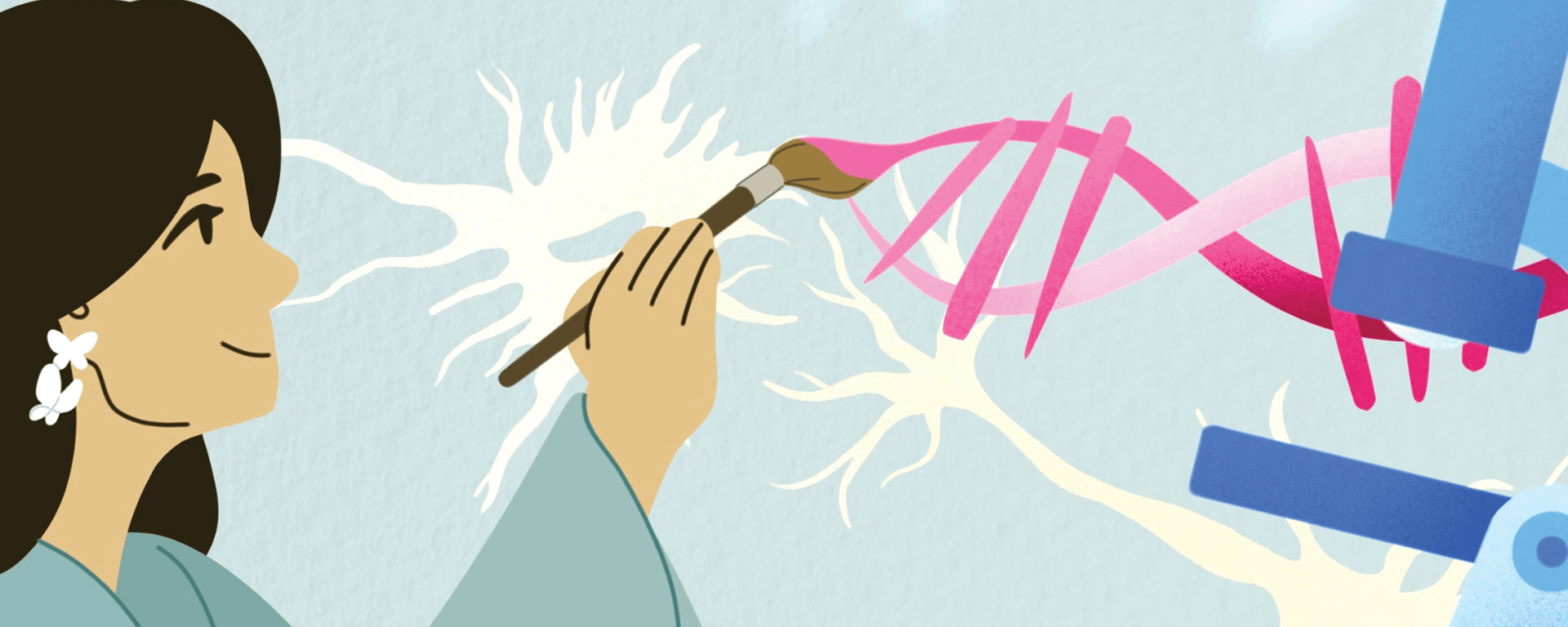
Caroline Ruivo, the newly-appointed Executive Assistant to the Director of the Institute of Medical Science (IMS), has a deep understanding of how both academic experiences and personal interests can be combined within your professional career. With a natural inclination towards creative art from an early age—she has been a children’s Art Instructor for more than ten years—Caroline enrolled in an Art Illustration course at Seneca College after completing her undergraduate studies in Psychology at York University. Although the course provided an opportunity to explore her interests in creative art, she ultimately chose not to complete the program after realizing that she wanted to focus on furthering her academic studies and keep art as a personal passion instead.
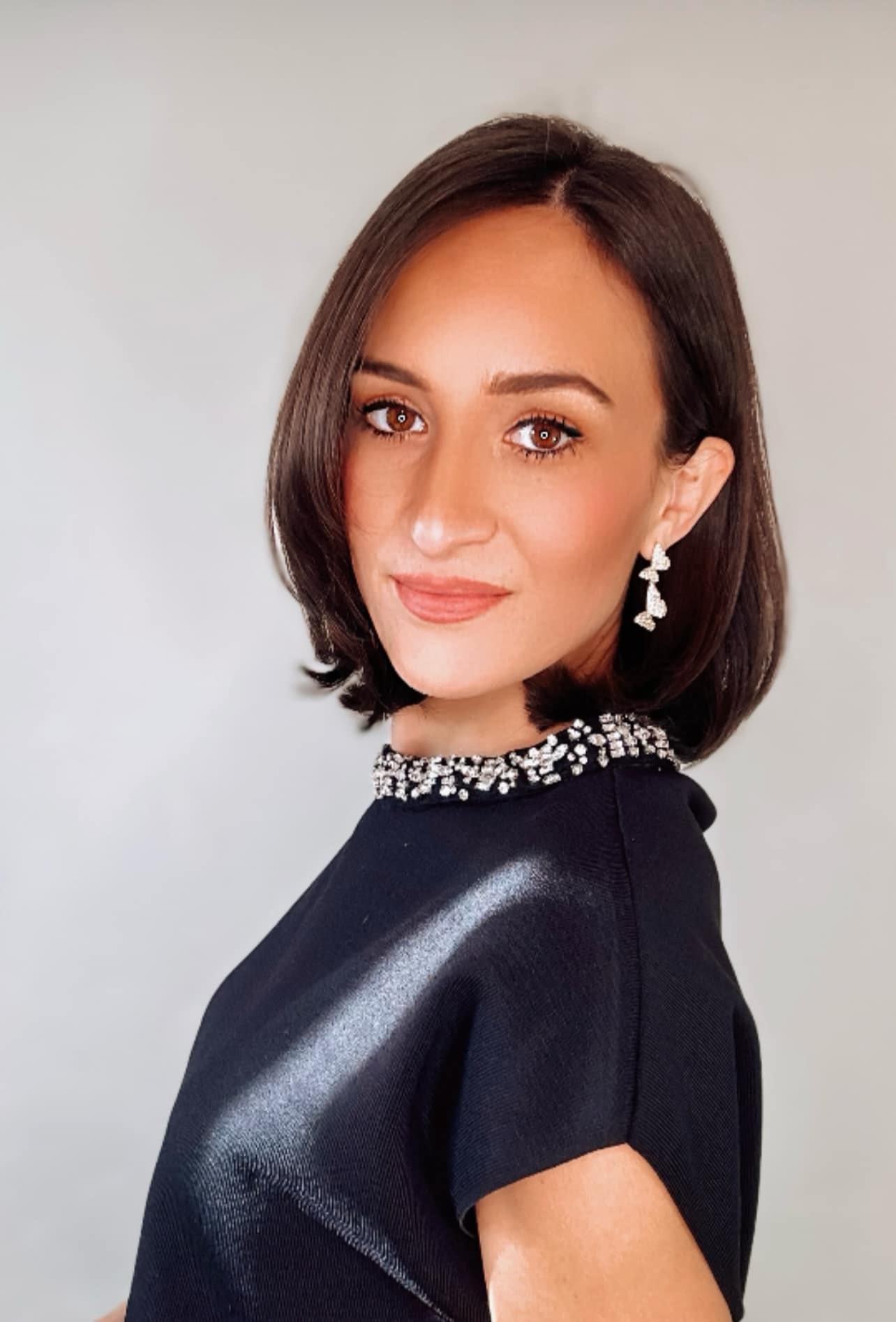
Executive Assistant to the Director of the Institute of Medical Science
Photo credit: Caroline Ruivo
Transitioning beyond her undergraduate studies, she wanted to try something new and see where it would take her, leading her to complete a Master’s degree in Developmental Psychology and Education at the University of Toronto. Caroline later worked as a Cognitive-Behavioural Therapy (CBT) Life Coach where she supported individuals experiencing anxiety, depression, and suicidal ideation. While she valued this work, she realized that studying Psychology and practicing it were very different experiences. This led her to her current position at IMS, where she could give back to the University of Toronto, a place she knows well and feels at home in as an alumna.
She found her previous roles and experiences acted as building blocks for the skills she uses in her current position. As an example, her tasks involve designing award announcements for students or welcome guides for faculty members, which allows her to incorporate her passion for creative art. She highlighted how “a lot of the times when something comes naturally to us or we have a specific talent such as art, we think we need to hone in on one specific career outcome, such as becoming an artist. However, you can incorporate art in any field or industry. You can find outlets to be creative.”
For Caroline, art is found in the quiet moments of everyday life, whether in the delicate swirl of cream in your morning coffee or the simple act of preparing a meal. When asked about her thoughts on the intersection of art and science, Caroline believes they are very similar: you don’t have all the answers at first, but you’re willing to explore and navigate challenges to reach them.
She recently came across virtual reality headsets that present different healthcare scenarios in real time which made her think of the possibilities and the lives that can be improved through art. It made her realize that curiosity is enough to lead you to a masterpiece, which can be a breakthrough in science or medical care.
When reflecting on her graduate studies, she wishes she was more precise and clear-cut if she were to do it again. However, she does see the beauty in not having a plan and going with the flow, allowing you to dip your toes into multiple roles to learn what you like and don’t like. Her greatest advice to students is to practice self-compassion. “No matter what everyone is going through, just be kind to yourself,” she said. “It’s a very stressful time in life and giving yourself grace to navigate a new trajectory is really important.”
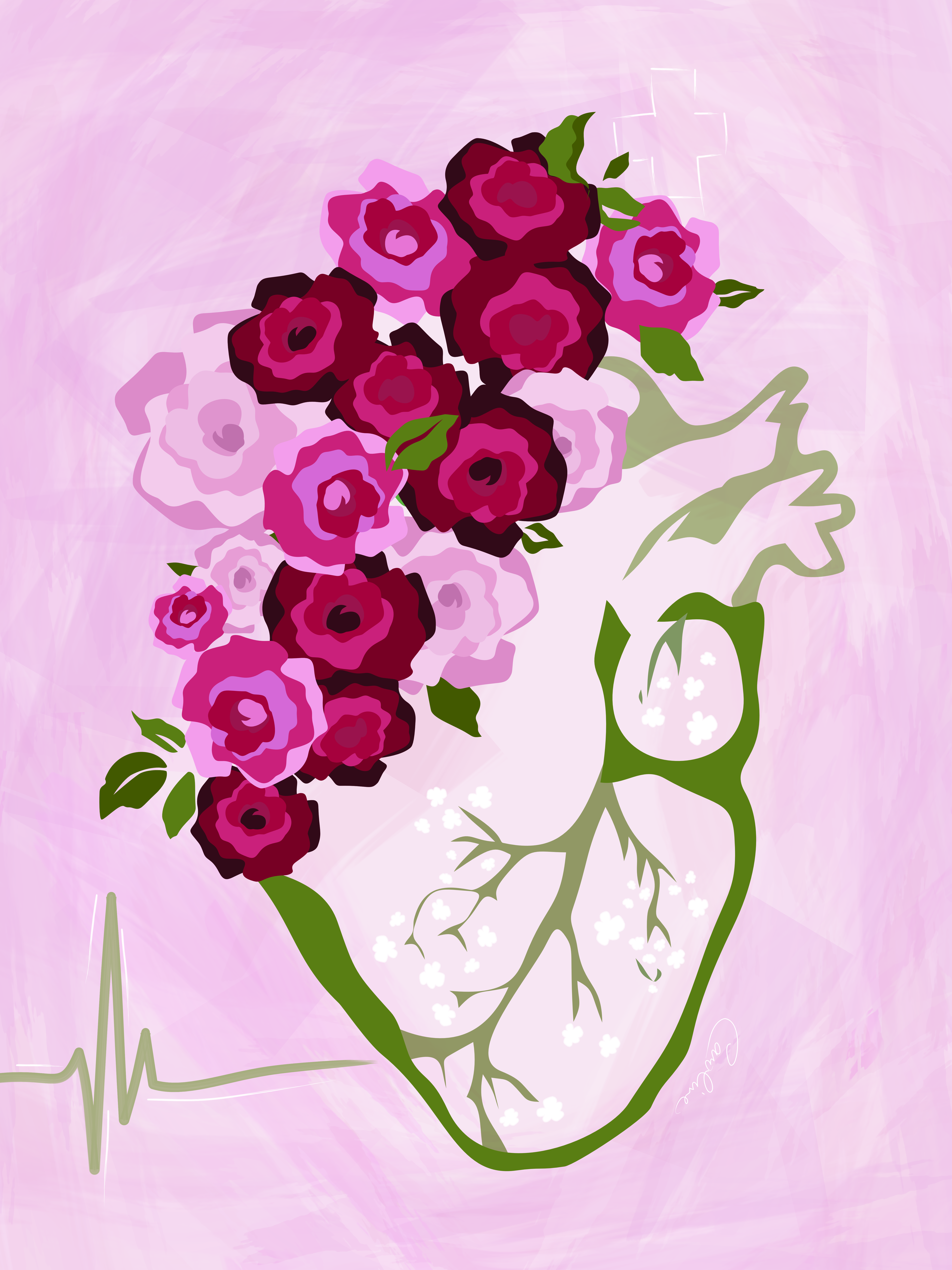
Photo credit: Caroline Ruivo
 IMS Magazine
You must be logged in to post a comment.