
by Mahbod Ebrahimi
Graphic design by Nichole Zhou
The Institute of Medical Science (IMS) Magazine is a student-led initiative that showcases the diverse range of scientific innovations and research at the IMS graduate unit at the University of Toronto (UofT). The multidisciplinary nature of the research conducted at IMS motivated Natalie Venier, now an alumnus of the IMS PhD program, to pioneer the development of the Magazine in 2011. Since then, IMS Magazine has gone on to produce a total of 42 issues to date, each focusing on novel, relevant subjects within the medical sciences. The magazine was conceived with the goal of connecting students from different disciplines and shining a spotlight on the ground-breaking research that happens at IMS. The release of each issue would not be possible without the hard work and collaborative effort of the magazine’s large team of IMS students, consisting of journalists, copy editors, executive editors, editors-in-chief, photographers, and graphic designers. Journalists are responsible for writing articles and conducting interviews, while copy editors take care of the initial editing and refining of articles, working closely with the executive editors, who manage the article writing process. Beautiful graphics and illustrations relevant to each article are created by talented graphic designers—students from the Biomedical Communications program. In addition, the IMS Magazine has its very own in-house photographers who capture the events and people being featured in the magazine. Lastly, editors-in-chief work tirelessly to oversee and organize the workflow of all teams for a smooth production process. Every student on the team is essential for the operation of the magazine, which publishes four issues every year, both in print and online (imsmagazine.com). As Kyla Trkulja, IMS Magazine’s current editor-in-chief says, “there are so many different pieces to this team, and everyone is working independently, but yet collaboratively at the same time, and that’s what makes the turnout so great.”
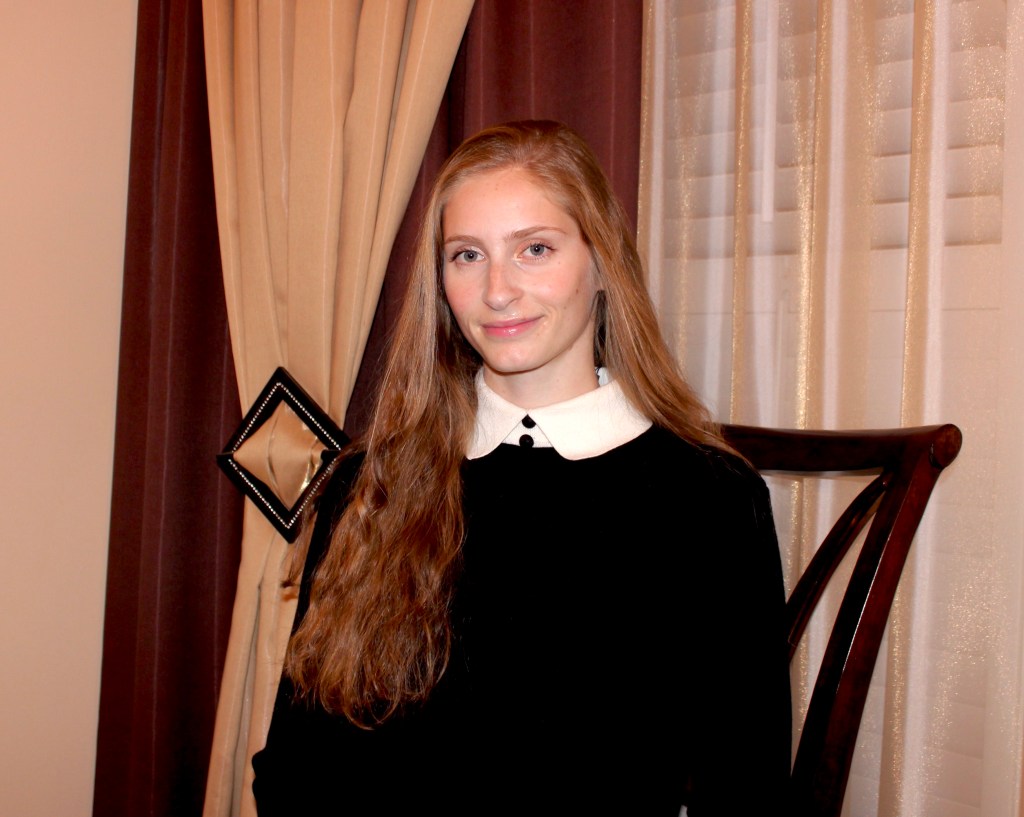
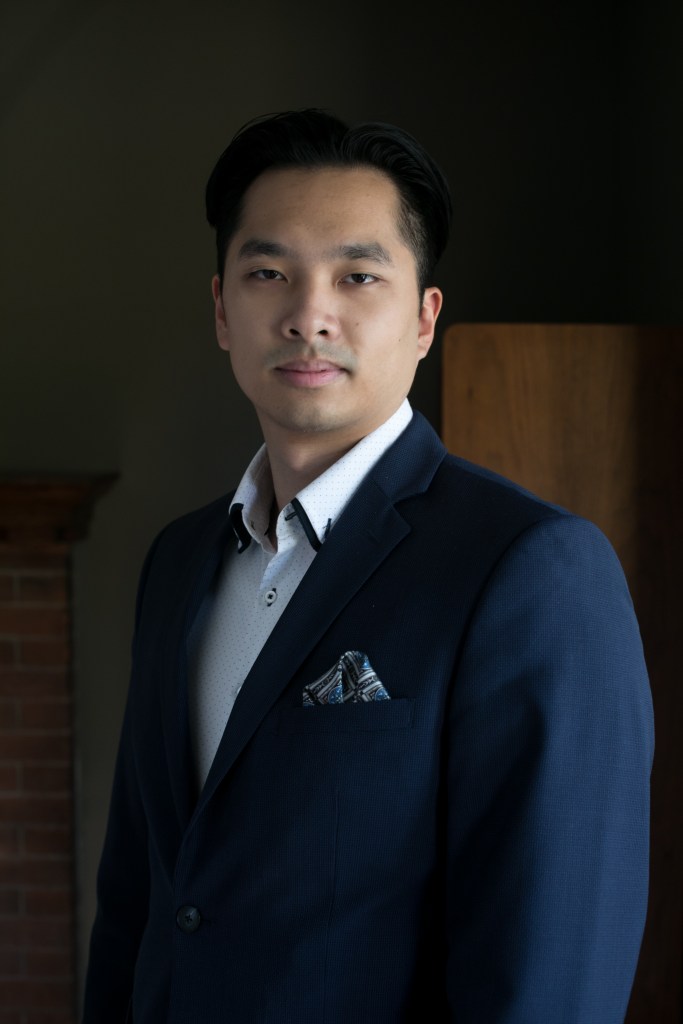
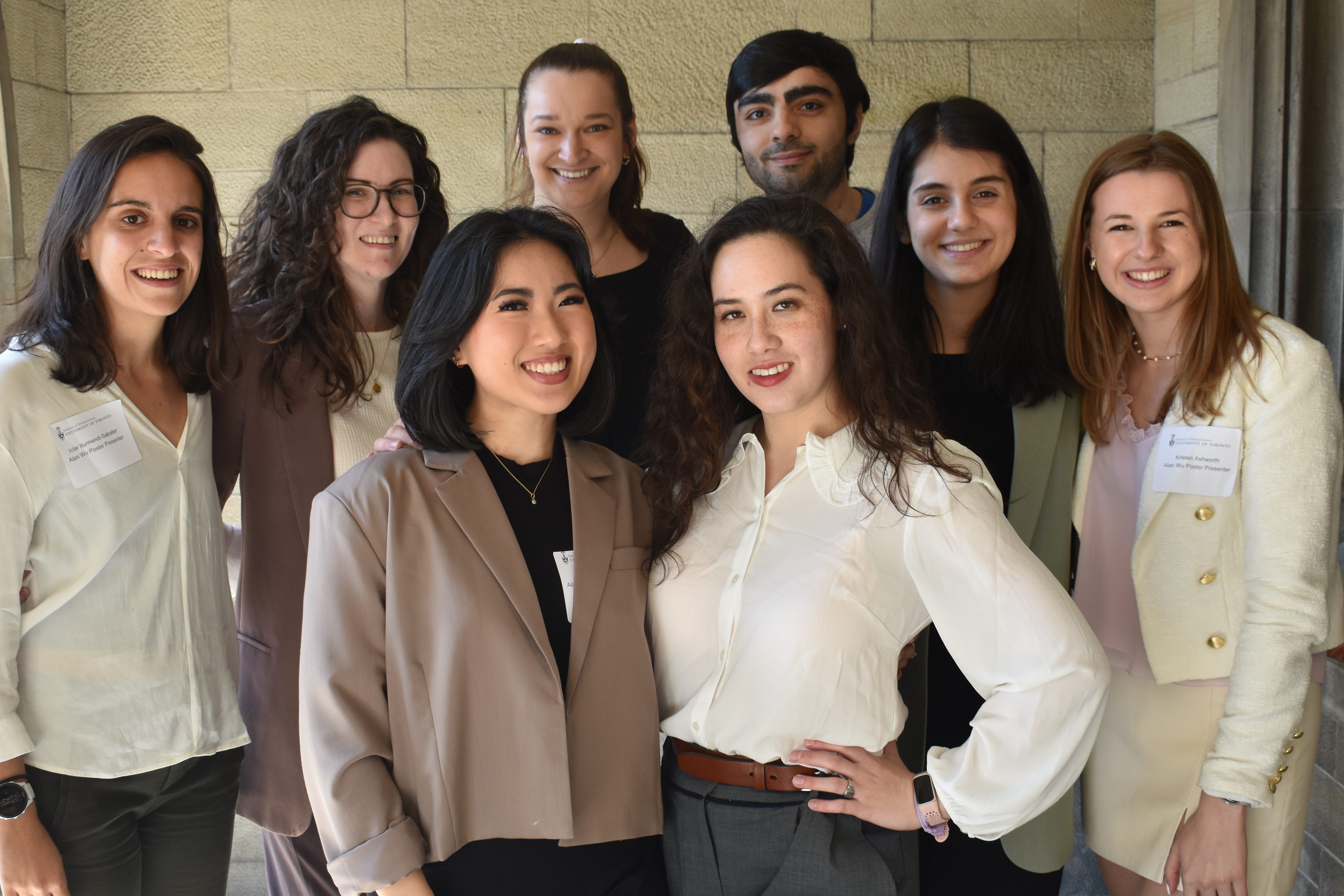
Photo credit: Joanne Lee.
Students are the main contributors to the magazine, resulting in a relatively high turnover between different roles. Jason Lo Hog Tian and Stacey Butler, who are preparing to graduate from the IMS PhD program, were the previous editors-in-chief of the magazine. Jason’s involvement with the magazine started as a journalist in 2018, when he started his PhD studies. He later became the editor-in-chief of the magazine in 2021. Stacey had a different trajectory, beginning as a copy editor and journalist in 2019 and serving as the executive editor for the Features section in 2021 before transitioning into editor-in-chief in 2022. After Jason and Stacey finished their studies at IMS, the editor-in-chief roles were passed to Kyla Trkulja and Iciar Iturmendi Sabater, who are current IMS PhD students. Similar to Stacey, Kyla and Iciar also started as journalists with the magazine before transitioning executive editors, then to editors-in-chief.
Working with the IMS magazine team offers a unique opportunity for students to grow as scientific communicators, and to be part of a dynamic group. Iciar notes, “as an international student, [the IMS Magazine] gave me a lot of confidence with my English speaking and writing skills.” The magazine allows students to write about topics they normally would not think or engage in. As Kyla notes, “it’s fun [to write viewpoint articles], especially because the topics are usually not my area of expertise, so I love the viewpoints because it gives me a chance to learn and do a mini literature review that I otherwise would not have a reason to do.” Also at its core, the magazine is a place to meet other people interested in knowledge translation and science communication. Elizabeth Karvasarski, executive editor and social media director of the IMS Magazine, explains, “In my undergrad, there weren’t many opportunities to find like-minded peers the same way as the IMS Magazine.”
In addition to the opportunities mentioned above, the magazine allows students to have unique leadership experiences, such as managing large groups of people, overseeing a budget for the magazine’s operations, and working collaboratively on a large scale. Stacey notes, “With the co-editor-in-chief role, you’re getting a lot out of that role in terms of experiences that are transferable to any type of career.” Kyla also points out that being involved with the magazine has helped her even outside of academia, as she mentioned, “at the networking events that I go to, when professionals find out that I’m the co-editor-in-chief of a magazine, they say make sure that it’s at the top of my CV.”
What Is the Typical Workflow of Making An Issue?
From start to finish, it usually takes around three months of collaborative work to initiate and publish a single issue of the magazine. The executive editing team has quarterly meetings to brainstorm potential new and interesting topics, which are later discussed with the entire team, with the highest-voted issue theme idea selected for the next issue. Articles are then assigned to journalists based on their requests. There are multiple types of articles, including interview-based features that highlight the work of IMS faculty members (called “Faculty Features”); Viewpoint Articles that capture a journalist’s perspectives and opinions on “hot topics” in the medical sciences; faculty and alumni Spotlight Articles, which showcase the story and experiences of IMS graduates and educators; and Travel Bites and articles that cover IMS events, showcasing student’s conference travels and notable events held at IMS.
For each article, there are multiple rounds of copy editing and executive editing, as well as a final edit and review by the editors-in-chief. After the articles are finalized, they are sent to the design team, which creates all the artwork for the magazine, including infographics and title covers. Overall, the IMS magazine creates high-quality articles from a diverse range of topics, resulting in publications that appeal to a broad readership.
Art Revealing Science Symposium:
This year, the IMS Magazine team, led by Elizabeth, hosted its first-ever event, the Art Revealing Science Symposium. This initiative aimed to demonstrate the interplay of art and science and showcase the works of creative and talented students across the University of Toronto. With great attendance, the event was hosted at Hart House on February 12th, 2024. One notable art piece demonstrated the steps in a neuron’s action potential by composing music that takes the audience through each step. The event received abundant positive feedback from community members and attendees, meaning the IMS Magazine team is now aiming to make the event an annual one!
Most Memorable Articles:
The executive team reads, writes, or edits tens to hundreds of articles during their time with IMS magazine. I was curious which articles stood out the most to them, so we could also read and enjoy them. Here are their responses:
- Kyla: Viewpoint Article Spring 2022 – Why MDMA-Assisted Therapy May Be the Future of PTSD Treatments
- Stacey: Viewpoint Article Spring 2022 – What Do We Want? Pharmacare! When do we want it? Now!
- Jason: Viewpoint 2020/21 Fall-Winter – The Real Challenge In COVID-19 Vaccine Development: Distributing A Product To The Entire World
- Iciar: Viewpoint Spring 2023 – Neurorights Will Let Your Mind Fly
- Elizabeth: 2020/21 Fall-Winter Alumni Spotlight – Dr. Stephen Wright – The Wright Heart
 IMS Magazine
You must be logged in to post a comment.