by Beatrice Acheson, Kristen Ashworth, Kyla Demkiv, and Nayaab Punjani
Kristen Ashworth
#WeAre26, a motto shared around the world as Canada co-hosted the FIFA World Cup this summer, captured the spirit of a city that came together to watch games with screens visible at every restaurant, hospital, and research site, cheering on our favourite teams. Following suit from this sports-focused summer, this issue explores exercise and sports medicine. The viewpoint articles cover an array of topics from the effects of exercise on men’s mental health and exercise addiction, to the caveats of creatine supplementation, to the social media phenomenon of “SkinnyTok”, to challenges in the treatment of peripheral nerve injuries, and finally, the potential for exercise regimens to improve symptoms of multiple sclerosis—addressing both societal perspectives on exercise and its therapeutic benefits.
This issue also features research in the field of exercise and sports medicine at the Institute of Medical Science (IMS). Musician, violinist, and research scientist Dr. Michael Thaut, is examining the intersection of rhythm and movement for neurorehabilitation. Clinician scientist Dr. David Wasserstein is exploring potential diagnostic tools and therapeutics for knee injuries. Dr. Dmitry Rozenberg is applying exercise rehabilitation to treat chronic lung disease, addressing gaps for treatment by medication alone. Lastly, Dr. Jack Goodman is untangling the benefits and risks associated with intense exercise on cardiovascular health.
Nayaab Punjani
As the academic year comes to a close, we also see some transitions in our executive team at the IMS Magazine. We want to thank Executive Editors Jasmine Amini and Anna Mouzenian on their contributions to the magazine and wish them the best of luck as they defend their master’s (MSc) theses and pursue their future goals.
We also bid farewell to Kyla Demkiv, Editor-in-Chief of the magazine since Fall 2023, who is transitioning into her role as one of the Student Ambassadors at IMS. Kyla has been a pillar of the magazine, building up the magazine to the engagement and strong team we have today, and we wish her the best of luck in her new role. Kyla shares some parting words:
Kyla Demkiv
“Being a part of the IMS Magazine has been one of the most fulfilling and rewarding experiences during my graduate studies. The students, staff, faculty, and alumni that I’ve met, the articles that I wrote, and playing a part in the growth of our team have provided me with many skills that I’m excited to use in the future, as well as incredibly fond memories. I am so grateful for the talented team of writers, editors, executives, and designers that have worked collectively as a unit to drive the magazine forward each and every issue. To my Co-Editors-in-Chief (EICs) Nayaab and Kristen, as well as the previous EICs that I’ve had the privilege of working with, thank you for making this experience full of joy and support. Lastly, to the IMS leadership team, including SAFE Committee Chairs Sarah Topa and Dr. Samantha Anthony, previous IMS Director Dr. Mingyao Liu, and current IMS Director Dr. Lucy Osborne, thank you for believing in the IMS Magazine and your constant support for our new ideas and initiatives. This experience has really emphasized what’s possible when different groups from multiple levels come together, and I’m so grateful for having a part to play in this.” – Kyla Demkiv
Following this transition, we welcome our new Editor-in-Chief Beatrice Acheson, our former features executive editor. She shares some words as she moves into this role:
Beatrice Acheson
“In 2024 I began my graduate journey at IMS. In my undergraduate degree and now my MSc, I have learned that the University of Toronto, no matter how much time you spend here, feels vast. This vastness enables the diversity of experiences and wealth of opportunities available to us, though it can also contribute to a sense of being very small in a very large place. I have also learned that every large institution is ultimately defined by its smaller communities. I was lucky to find IMS Magazine early in my graduate career. Not only has the magazine provided me with my own tight-knit community within a much larger academic realm, but it has also given me a means of understanding and communicating the many stories emerging from our vibrant research environment. I am thrilled to step into this role, grateful to our existing team for everything they have done to support my transition, and excited to share the sense of curiosity, community, and connection that IMS Magazine has given me with all of you.” – Beatrice Acheson
Kyla, we will miss you dearly, but we know we will continue to see you around and you will embrace the vision of the IMS Magazine in what you do. Beatrice, we welcome you to the EIC team and we look forward to seeing everything you will accomplish!
We would like to continue to thank our amazing team of journalists and editors, as well as the Design Team for their tremendous work to help bring our vision to life. To the outgoing Co-Directors Jinny and Ravneet, we want to thank you for your support this past year and we wish you the best for your next steps. We hope you all enjoy this new issue of the magazine!
Sincerely,
Beatrice Acheson
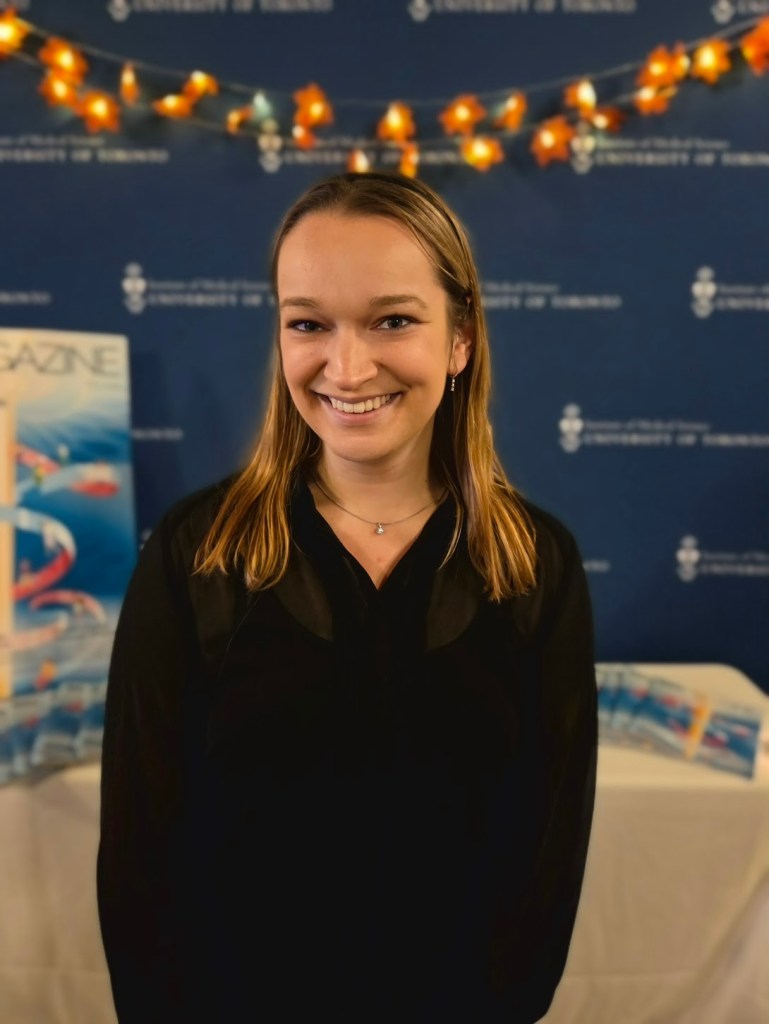
Beatrice is an MSc candidate in the laboratory of Dr. Peter St George-Hyslop at the Tanz Centre for Research in Neurodegenerative Diseases, where she is working to uncover the mechanisms underlying microglial dysfunction in Alzheimer’s disease.
Instagram: @bea.acheson
Kristen Ashworth
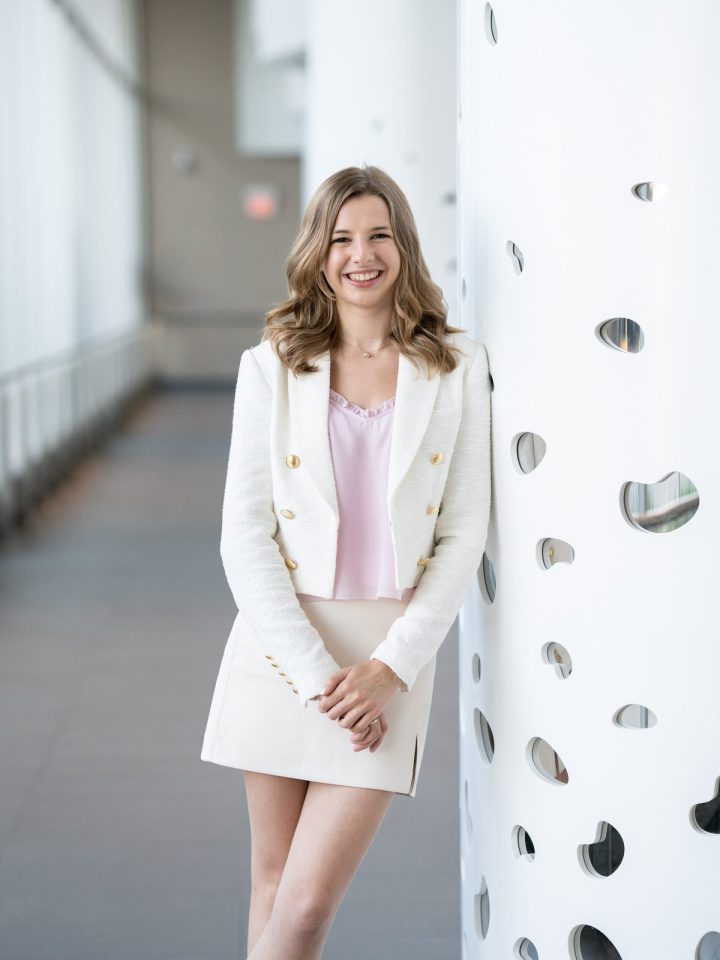
Kristen is a PhD student studying the use of a human-based retinal organoid model to investigate cell therapies for genetic eye disease under the supervision of Dr. Brian Ballios at the Krembil Research Institute.
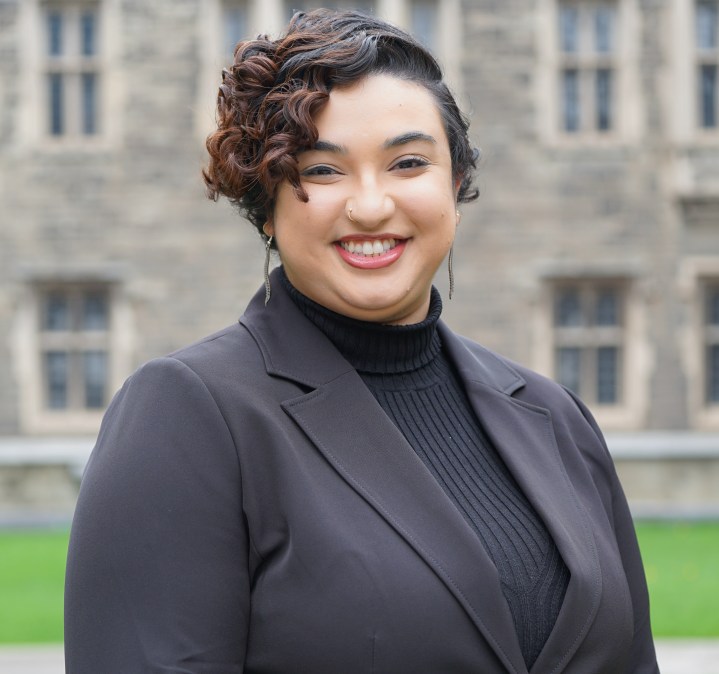
Kyla is a PhD student studying the mechanism of action of novel therapies for lymphoma under the supervision of Dr. Armand Keating, Dr. John Kuruvilla, and Dr. Rob Laister.
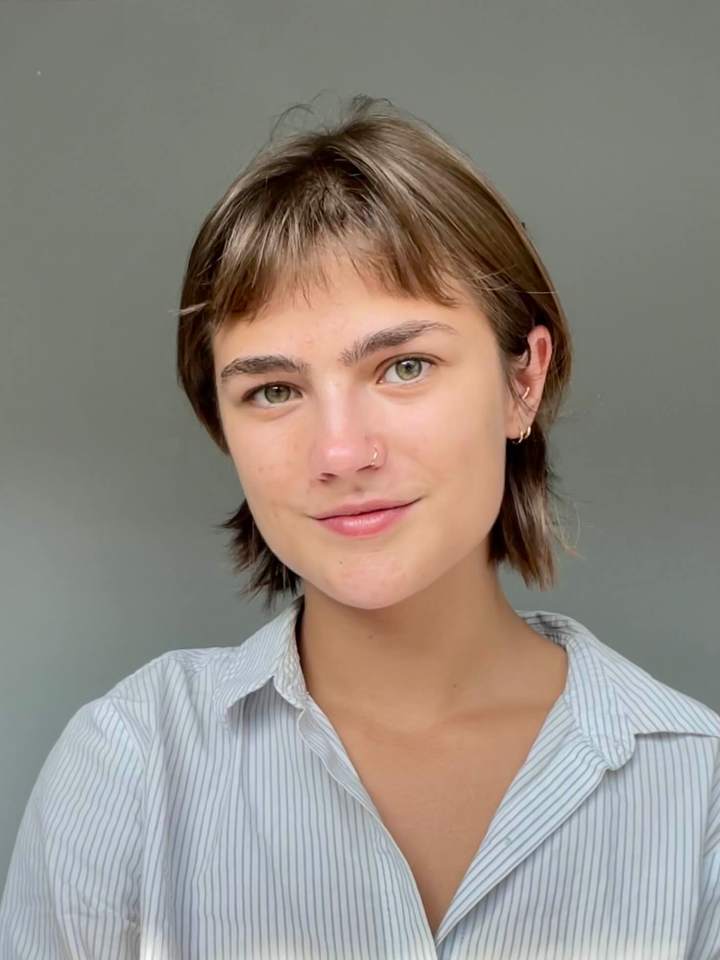
Nayaab is a PhD student examining a neuroprotective drug therapy for cervical-level traumatic spinal cord injury at the Krembil Research Institute under the supervision of Dr. Michael Fehings.



You must be logged in to post a comment.