

By Alicia Tran
Graphic design by Vanessa Recine
Graduate school may be defined by academic productivity on the surface, but many students find deep meaning in the people and communities that support them along the way. For Ilakkiah Chandran—a PhD candidate at the Institute of Medical Science (IMS)—mentorship has become both a guiding force throughout her own graduate journey, and an opportunity to support others navigating similar experiences. Through her involvement in the Peer-to-Peer (P2P) Mentorship Program, the ChatGPD podcast, and her work as an educator, Ilakkiah has helped foster a strong sense of connection and support among students at IMS.
Like many students entering graduate studies, Ilakkiah initially believed that graduate school was exclusively about research. She describes beginning her journey with “blinders on,” believing she needed to dedicate all her time and energy solely to completing her thesis. Her perspective quickly shifted after taking the Graduate Professional Development (GPD) course led by Dr. Pamela Plant, a skills-based course designed to prepare students for a variety of career trajectories. One conversation with Dr. Plant particularly resonated with Ilakkiah. “You are more than your thesis,” she told her—a reminder that personal growth and identity extend far beyond academic work. This advice marked an important turning point in how she approached her graduate journey and her role within the broader IMS community.
One hallmark of the GPD course is the opportunity for students to practice presenting their work in the format of a Three Minute Thesis (3MT). The 3MT is a research communication exercise where students explain their thesis work to a general audience in three minutes using a single static PowerPoint slide. With the skills she gained through the course, Ilakkiah later participated in the IMS annual 3MT Competition. During the competition, she noticed a fellow graduate student had presented their work using a traditional academic research poster rather than the concise storytelling format expected in a 3MT presentation. Although seemingly small, this moment highlighted a larger gap: students not enrolled in the GPD course may have fewer opportunities to develop core competencies in graduate school, such as scientific communication and presenting to general audiences.
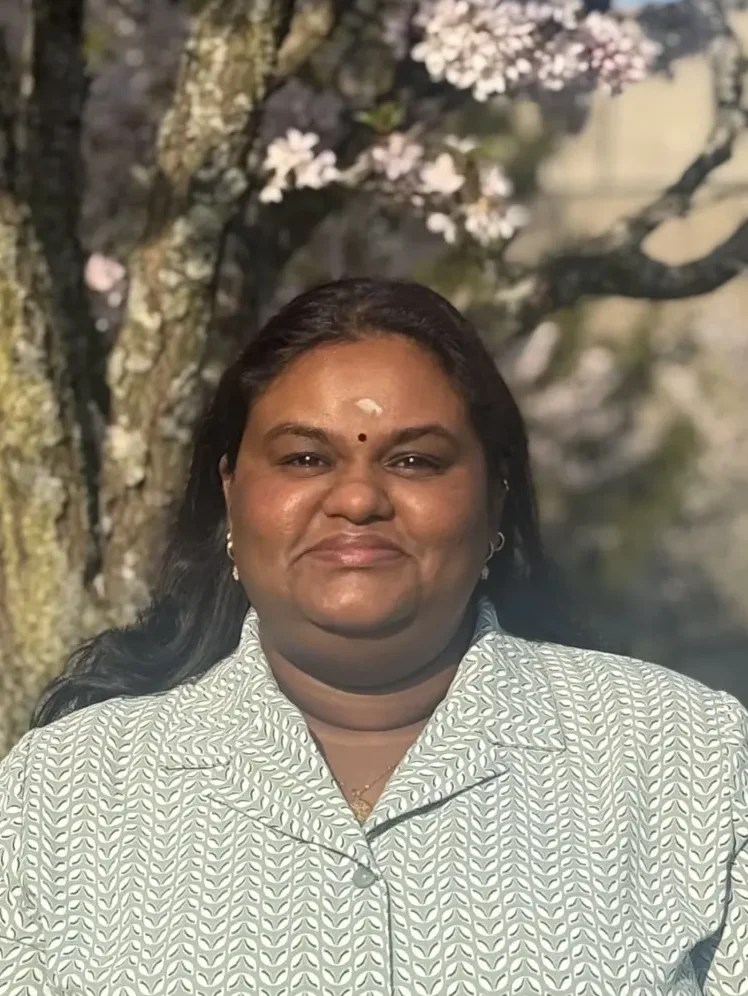
PhD Candidate, Institute of Medical Science
Photo credit: Ilakkiah Chandran
Motivated by this observation, Ilakkiah began exploring ways to support students in building these skills within the IMS community. After sharing this gap with Dr. Plant, she was connected to the P2P Mentorship Program at IMS, a student-led initiative dedicated to supporting students as they transition into graduate school. The program’s mission resonated with Ilakkiah, who recognized how influential mentorship, professional development opportunities, and supportive peer networks had been throughout her graduate journey. Drawing on these experiences, Ilakkiah was inspired to take an active role in supporting the P2P team, contributing to initiatives that help students build connections and navigate the complex landscape of IMS. Through her involvement, she aims to create the same sense of support and belonging that shaped her own experience at IMS.
For the past three years, Ilakkiah has played a key role in the marketing and communications side of P2P. Her responsibilities include developing new materials for mentors and mentees, highlighting upcoming workshops, and promoting events to the broader IMS community. One initiative she helped introduce was the P2P monthly newsletter, designed to create a more centralized form of communication for mentors and mentees. The newsletter provides updates about professional development opportunities and resources, alongside conversation prompts designed to make mentor-mentee meetings feel less intimidating.
While strengthening communication within the program was an important first step, Ilakkiah also recognized the need to connect students with specialized resources. Ilakkiah has helped establish collaborations with library liaisons and experts from the Centre for Graduate Mentorship and Supervision to deliver workshops focused on research communication, academic writing, and graduate student support. These sessions provide both mentors and mentees with practical guidance in areas that may be overlooked in research training, including preparing for a first Program Advisory Committee meeting and crafting research abstracts for grant applications. By expanding access to these resources, the program helps students develop professional skills with greater support and clarity.
Ilakkiah recalls one of the most rewarding aspects of being involved in P2P has been the opportunity to connect with other changemakers across IMS. “There are so many student leaders, and I think that speaks to the fact that students care for other students,” she says. Ilakkiah describes IMS as a uniquely collaborative graduate community where students actively work together to support one another. “Everyone brings different experiences,” she reflects, “we all have something valuable to contribute to the community.” For Ilakkiah, this sense of collaboration is one of the defining strengths of the graduate student experience at IMS.
Ilakkiah’s commitment to mentorship also extends to an innovative IMS initiative: the ChatGPD Podcast. Created by Dr. Plant and led in partnership with graduate student leaders at IMS, the podcast features alumni from a range of career paths to reflect on their unique journeys, key lessons learned along the way, and how their experiences at IMS have helped shape their careers. As part of the production team, Ilakkiah connects with alumni guests, prepares interview questions, and promotes episodes to the IMS and broader biomedical science community. “A lot of us are guilty of feeling the pressure to have everything figured out,” Ilakkiah explains. The podcast aims to show students that there is no single “correct” path after graduate school and that success can take many different forms.
The ChatGPD Podcast has resonated strongly with students, many of whom have shared that hearing alumni stories expanded their perspectives on future career possibilities. Beyond career exploration, Ilakkiah believes the podcast has strengthened connections between alumni and current students, helping to create a stronger sense of belonging and becoming an avenue for connection within IMS.
In addition to her work with P2P and ChatGPD, Ilakkiah is a teaching assistant and course instructor at the University of Toronto, where she mentors undergraduate and graduate students navigating many of the same uncertainties she once experienced herself. Students often approach her with self-doubt about applying for internships, graduate programs, or other professional opportunities. As an educator, she has developed meaningful relationships with her students and frequently encourages them to believe in their own potential. “I truly believe anyone can do anything,” Ilakkiah shares, “it’s just a matter of putting yourself out there to do it.” She remains committed to helping students develop confidence in their abilities and feel empowered to explore opportunities that may initially appear daunting.
Ilakkiah’s involvement with P2P, ChatGPD, and teaching continues to be guided by a common goal of helping students feel supported and connected during an experience that can often feel isolating. These roles have also reinforced her understanding of leadership as something quiet, consistent, and built on showing up for others behind the scenes. Ilakkiah traces this instinct back to the example set by her parents. “For as long as I can remember, I’ve watched my parents show up for their loved ones and their community, with their time, resources, and any help they can offer,” she says. Their compassion and selflessness are a constant reminder that the true measure of success is a reflection of one’s character and commitment to uplifting those around them.
Above all, Ilakkiah emphasizes the importance of having a strong support network throughout graduate school, whether through family, mentors, supervisors, friends, or peers. Her journey highlights that mentorship is not only about guidance—it is about creating spaces where students feel encouraged to grow, ask questions, and realize they do not need to navigate their graduate experience alone. In many ways, cultivating this sense of community may be one of the most valuable lessons graduate school can offer.


You must be logged in to post a comment.